
Parenting scenario practice is the deliberate rehearsal of real-life parenting challenges through simulations, role-playing, and reflective exercises to build automatic, effective responses before stressful situations occur. The neuroscience behind this is direct: repetition automates neural pathways, shifting difficult parenting responses from effortful conscious decisions to reliable habits. That shift matters enormously. 72% of parents feel unprepared for intense child behaviors like screaming or aggression, yet most parenting advice focuses on what to do in the moment rather than how to train your brain before the moment arrives. Parenting scenario practice closes that gap.
How does parenting scenario practice improve parental skills?
The core mechanism is neurological. Every time you rehearse a response, whether through an AI simulation, a role-play with your partner, or a mental walkthrough of a tantrum scenario, you strengthen the neural circuits responsible for that response. Researcher Jason Horvath's work on skill automatization confirms that practice shifts cognitive load from conscious effort to automatic processing. In parenting terms, this means the calm, measured response you practiced at 10 a.m. is far more likely to appear at 6 p.m. when your child is melting down and your own stress is peaking.
The key distinction most parents miss is the difference between practicing micro-skills and rehearsing full scenarios. Isolating micro-skills like a specific tone of voice, a deliberate pause before responding, or a single de-escalation phrase produces better skill acquisition than trying to mentally rehearse an entire conflict from start to finish. Full-scenario rehearsal has its place, but micro-skill repetition is what builds the automatic responses you actually need under pressure.
Parenting scenario practice also reframes the goal. The target is not controlling your child's behavior. The target is regulating your own. When you practice, you are training yourself to pause, observe, and choose a response rather than react impulsively. Children learn best when parents practice responses in calm moments, because that calm-state practice creates the cognitive flexibility needed to respond thoughtfully when things get hard.
- Micro-skill repetition builds automatic responses faster than full-scenario rehearsal
- Self-regulation practice targets the parent's reaction, not the child's behavior
- Calm-state rehearsal creates neural readiness that activates during high-stress moments
- Reflective practice after each session consolidates learning and identifies gaps
Pro Tip: Pick one micro-skill per week, such as lowering your voice instead of raising it, and rehearse it deliberately in low-stakes moments. By the end of the week, it will start appearing automatically in harder situations.
What types of parenting scenarios can you practice?
The range of scenarios available for practice is wider than most parents realize. Common high-value scenarios include toddler tantrums, sibling conflict, screen time resistance, bedtime refusals, and feeding challenges. Each of these has predictable triggers and escalation patterns, which makes them ideal for structured rehearsal. The goal is not to script a perfect response but to build cognitive flexibility and readiness so you have multiple response options available when the real situation unfolds.
The format of practice matters as much as the content. Here is how the main methods compare:
| Practice format | How it works | Best for |
|---|---|---|
| AI simulation tools | Interactive branching scenarios with immediate feedback | Solo practice, anytime access, reflective functioning |
| Role-play with co-parent | Live rehearsal of conflict scenarios with a partner | Building shared language and consistent responses |
| Video-feedback intervention | Reviewing recorded parent-child interactions with a coach | Identifying blind spots in sensitivity and tone |
| Mental rehearsal | Visualizing a scenario and your response in detail | Quick preparation before a known trigger situation |
AI-driven parenting simulations rated 6.03 out of 7 for usability and relevance in 2026 trials, which signals that parents find these tools genuinely useful rather than academic. That high satisfaction score reflects a real shift in how technology can support parenting skills development outside of formal therapy or group programs.
Video-feedback interventions spanning one to fifteen sessions of 20 minutes to three hours each have demonstrated measurable improvements in maternal sensitivity, parental confidence, and child behavioral outcomes. Watching yourself on video is uncomfortable, but it reveals patterns in tone, body language, and timing that are invisible in the moment. That visibility is exactly what makes video feedback one of the most effective formats for parenting scenario practice.
Scenario practice also adapts to your child's age and temperament. A scenario designed for a two-year-old's tantrum looks very different from one designed for a ten-year-old's defiance. The underlying micro-skills, pausing, lowering your voice, naming emotions, transfer across ages, but the specific language and strategies need to match your child's developmental stage.
How does scenario practice support real-world parenting challenges?
Practiced responses reduce stress because they eliminate the cognitive scramble of figuring out what to do in real time. When you have already mentally rehearsed a scenario, your brain recognizes the situation as familiar and routes it toward the practiced response rather than triggering a full stress reaction. This is the same mechanism athletes and surgeons use when they train under simulated pressure. The rehearsal does not eliminate stress. It pre-wires a functional response so stress does not derail you.

The long-term returns on parenting interventions that include scenario practice are substantial. Social learning interventions yield an 8:1 return on investment over 25 years, measured in reduced behavioral problems, improved school outcomes, and lower social costs. That figure reflects what happens when parents consistently apply practiced, regulated responses rather than reactive ones over years of child development.
| Benefit | What it looks like in practice |
|---|---|
| Reduced parental stress | Familiar scenarios trigger practiced responses instead of panic |
| Better emotional modeling | Children observe regulated responses and internalize them |
| Improved problem-solving | Parents pause and generate options rather than defaulting to threats |
| Greater family consistency | Both parents use the same practiced language and strategies |
Scenario practice also teaches children indirectly. When a parent responds to a meltdown with a calm, practiced phrase instead of escalating, the child experiences a regulated adult and learns from that model. Children learn problem-solving and emotional skills most effectively when the adults around them demonstrate those skills under pressure.
Involving both parents multiplies the benefit. Engaging both parents in simulated daily behaviors reduces caregiving strain and improves family consistency by revealing each parent's strengths and gaps in real scenarios. When both parents practice together, they develop shared language, aligned expectations, and a collaborative approach that children experience as stable and predictable.
Pro Tip: After a real parenting challenge, spend five minutes with your co-parent reviewing what happened. Ask: what did we do well, what would we do differently, and what micro-skill could we practice before this happens again? That three-question debrief turns every hard moment into preparation for the next one.
How can parents get started with effective scenario practice?
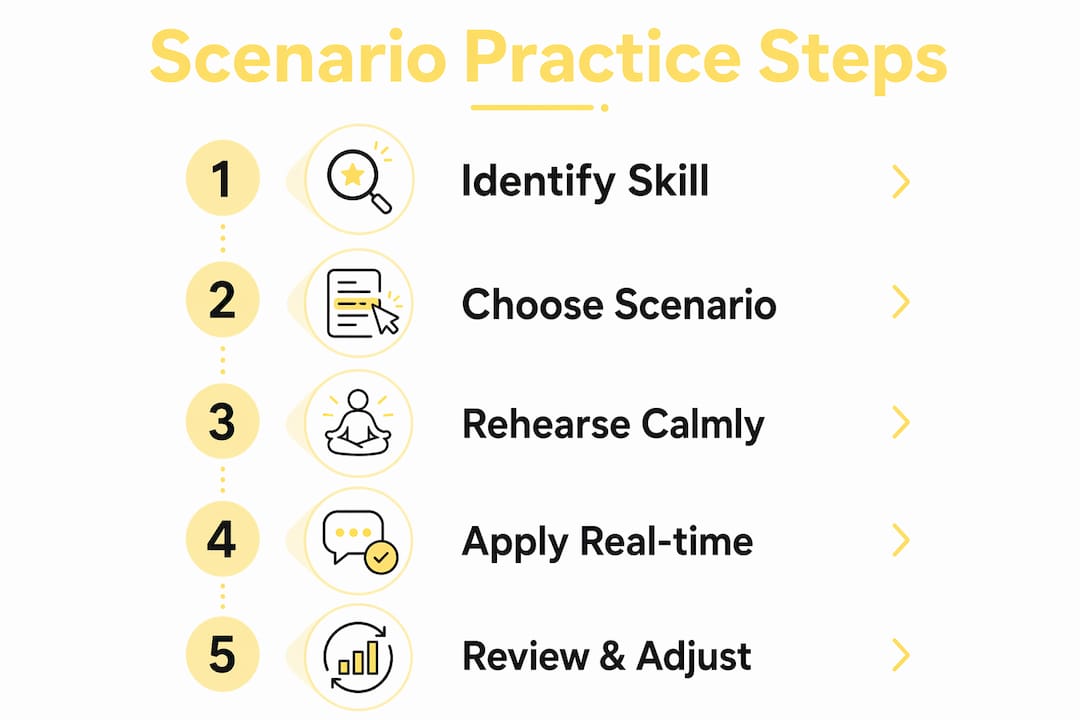
Getting started does not require a therapist, a formal program, or hours of free time. The most effective approach is incremental and built into your existing routine.
-
Identify your top three pain points. Write down the three scenarios that most consistently derail you. Tantrums at pickup, bedtime resistance, and sibling fights are common starting points. These are your highest-value practice targets because they are predictable and recurring.
-
Start with one micro-skill, not a full scenario. Choose a single response element to rehearse this week. A deliberate pause before speaking, a lower vocal tone, or a specific phrase like "I can see you're frustrated" are all concrete micro-skills. Practice it in low-stakes moments until it feels natural.
-
Use available tools. The Active Learning Guide Fparentips and AI simulation platforms offer structured scenario practice with branching decision trees and immediate feedback. These tools let you explore what happens when you try different responses without any real-world consequences.
-
Involve your co-parent or caregiver. Role-play a scenario together once a week. One person plays the child, the other practices the parent response. It feels awkward at first and becomes genuinely useful within two or three sessions. Both-parent practice builds consistency that children notice and respond to.
-
Debrief after every practice session. Reflection turns baseline practice into permanent learning by identifying where you felt tension, what triggered an impulsive reaction, and what you would adjust next time. Without debrief, practice is repetition. With debrief, practice is skill development.
-
Adjust for your child's current stage. Review your scenarios every few months as your child grows. A strategy that worked at three may not work at five. Keeping your practice current with your child's development prevents you from rehearsing outdated responses.
Key takeaways
Parenting scenario practice works because repetition automates regulated responses, replacing impulsive reactions with practiced, flexible habits that hold up under real stress.
| Point | Details |
|---|---|
| Neuroscience drives the benefit | Repetition shifts parenting responses from effortful decisions to automatic habits. |
| Micro-skills outperform full rehearsals | Practicing one phrase or tone at a time builds faster, more reliable automaticity. |
| Multiple formats are available | AI simulations, video feedback, and role-play each offer distinct and proven benefits. |
| Both parents should practice together | Shared practice builds consistent language and reduces caregiving strain across the family. |
| Debrief is non-negotiable | Reflection after each session is what converts practice into permanent skill change. |
Why I think most parents are practicing the wrong thing
Most parenting advice frames scenario practice as preparation for the child's behavior. Get ready for the tantrum. Plan for the refusal. Anticipate the fight. That framing is wrong, and it leads parents to rehearse scripts rather than skills.
What I have seen, both in research and in conversations with parents who have done this work seriously, is that the parents who improve fastest are the ones who practice their own nervous system, not their child's behavior. They rehearse the pause. They rehearse the lower voice. They rehearse the moment of noticing their own frustration before it becomes a reaction. That is the skill. The child's behavior is just the trigger.
The other thing most articles skip is the failure component. Simulation practice focuses on exploring failed outcomes in safe settings, not scripted perfection. The most valuable practice session is the one where you try a response, it does not work, and you figure out why. That is where the real learning happens. Parents who treat every imperfect moment as evidence they are failing miss the entire point of practice.
Reflection after practice is not optional. It is the mechanism that converts repetition into learning. Without it, you are just rehearsing the same patterns. With it, you are building new ones. If you take one thing from this article, make it this: practice without debrief is exercise without recovery. Both are necessary.
— Sam
Practice smarter with Meetkindred's AI parenting coach
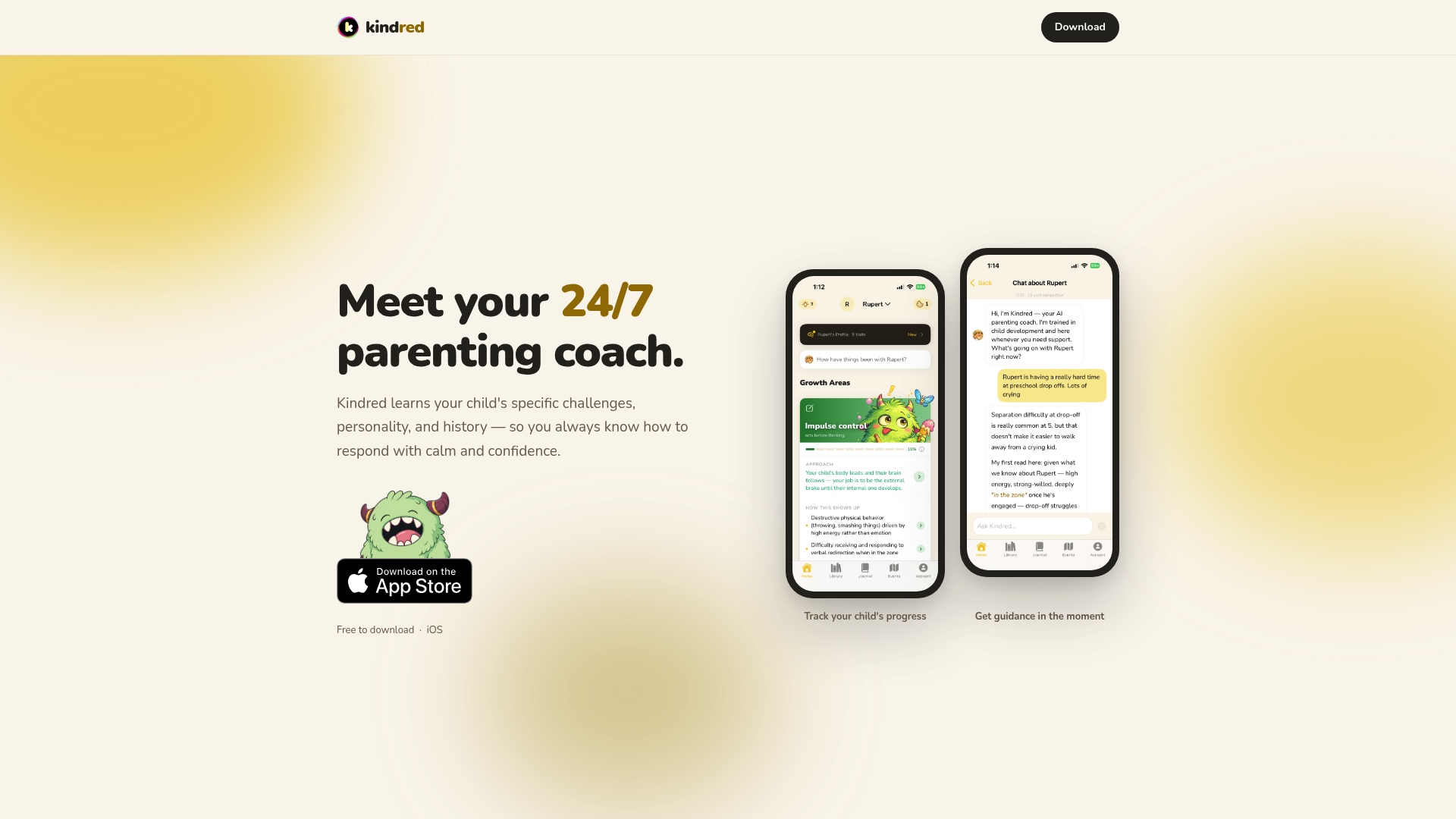
Meetkindred is built for exactly this kind of preparation. The Meetkindred AI parenting coach lets you practice tough scenarios before they happen, with guidance trained in child development and adapted to your child's specific patterns. You can chat through a scenario at 11 p.m., work through a micro-skill with real-time feedback, and track your progress over time. Shared co-parent mode means both of you practice together and stay aligned. Meetkindred does not offer generic scripts. It learns your child's temperament and gives you strategies that fit your actual family. If you are serious about building parenting skills through deliberate practice, Meetkindred is where that work happens.
FAQ
What is parenting scenario practice?
Parenting scenario practice is the deliberate rehearsal of challenging parenting situations through simulations, role-play, or reflective exercises to build automatic, calm responses before those situations occur in real life.
How does scenario practice help with emotional regulation?
Rehearsing responses in calm moments automates regulated reactions so that under stress, your brain routes toward the practiced response rather than an impulsive one, reducing the cognitive load of in-the-moment decision-making.
What scenarios are most worth practicing?
High-frequency, predictable scenarios deliver the most return. Tantrums, bedtime resistance, sibling conflict, and screen time struggles are ideal starting points because they recur often enough that practiced responses get reinforced quickly.
Do both parents need to practice together?
Practicing together is strongly recommended. Research shows that both-parent simulation practice reduces caregiving strain and builds the consistent language and aligned responses that children experience as stable and predictable.
How long does it take to see results from scenario practice?
Micro-skill repetition can produce noticeable changes within one to two weeks of consistent daily practice. Broader behavioral shifts in how you respond to complex scenarios typically emerge over four to eight weeks of structured rehearsal and debrief.